
There are many types of bone fractures. Some are more serious than others, ranging from a complete compound break all the way down to a stress fracture. Though smaller, stress fractures can be mighty. This is a deep dive into the causes, treatment, and prevention of stress fractures.
What Is It?
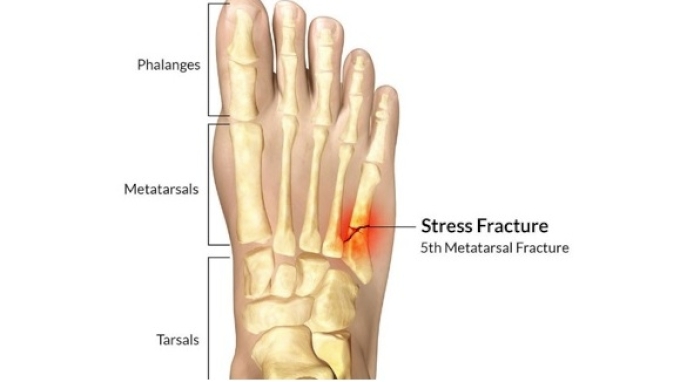
This type of fracture comes from small breaks in your bone after repeated contact or overuse. Stress fractures are most common in your low leg and foot. Muscles in the foot get fatigued and force more weight on the bones. With the added weight and contact small fractures in those bones can occur, causing a stress fracture.
Symptoms
As one can assume, the main symptom of a stress fracture is pain in that area, along with swelling and tenderness. It would be a lot harder for you to walk or run, and you would notice the decrease in ease that you had before.
Treatment
With a stress fracture, there is no need for a cast or splint in your recovery. All it takes is a little time and rest. Depending on the degree and severity of your fracture, you could require a longer period, but typically it is between six to eight weeks.
It’s important to make sure you really take the time to heal because if you begin weight-bearing activities too soon it could lead to more serious issues later.
Prevention
There are a couple of different ways you could prevent a stress fracture from occurring. One main aspect of prevention is understanding that exercise and maintaining a healthy lifestyle is a marathon, not a sprint. It’s important to incrementally increase your workouts or runs to reach your goal safely instead of overnight deciding to go for something you’ve never done or tried before. By increasing your running distance over a period of time, you will be much stronger than if you decide out of the blue you’re going to run five miles without any training.
It’s also important to train different parts of your body. Weakened muscles, which leads to compensating and putting too much pressure on your bones, is a big part of how stress fractures occur. By cross-training and focusing on different areas of your body, you are allowing yourself to maintain a nice workout routine while giving certain body parts the rest it needs. When it’s arms and abs day, you can give your legs some rest so they aren’t aching for the run or workout you do the next day. It’s all about balance!
Along with working out safely and creating a good routine, it’s important you are putting good nutritious foods in your body. Calcium and Vitamin D are excellent sources for bone strength. Taking note of what foods you eat can help keep your body strong to prevent possible injuries from happening.
Besides other workout and health tips, another way you can prevent stress fractures is to see a doctor or go to a running store for any recommendations in shoe types and inserts. Having the right support and cushion in your step while exercising is a very important part of keeping safe during a run.
This was a deeper look into what stress fractures are, how to treat them, and future prevention.